 OncologyCare
Cancer care that beginswith a clear plan.

Dr. Margaret Chen, MD, PhD
Chief of Medical Oncology · Tumor Board Director
"32 years. 11,400 patients. Still here for the next one."

R0 resection rate — negative margins achieved
Surgery that removes cancer, not quality of life.
Minimally Invasive · Robotic-Assisted · Organ-Sparing
Our surgical oncologists perform more than 2,800 cancer surgeries annually, including complex resections most community hospitals cannot offer. Every case is reviewed by the tumor board before the first incision.
- Robotic-assisted laparoscopic surgery for GI, urologic, and gynecologic cancers
- Intraoperative radiation therapy (IORT) available on-site
- Sentinel lymph node mapping to avoid unnecessary lymph node removal
- Reconstructive oncoplastic surgery for breast cancer patients
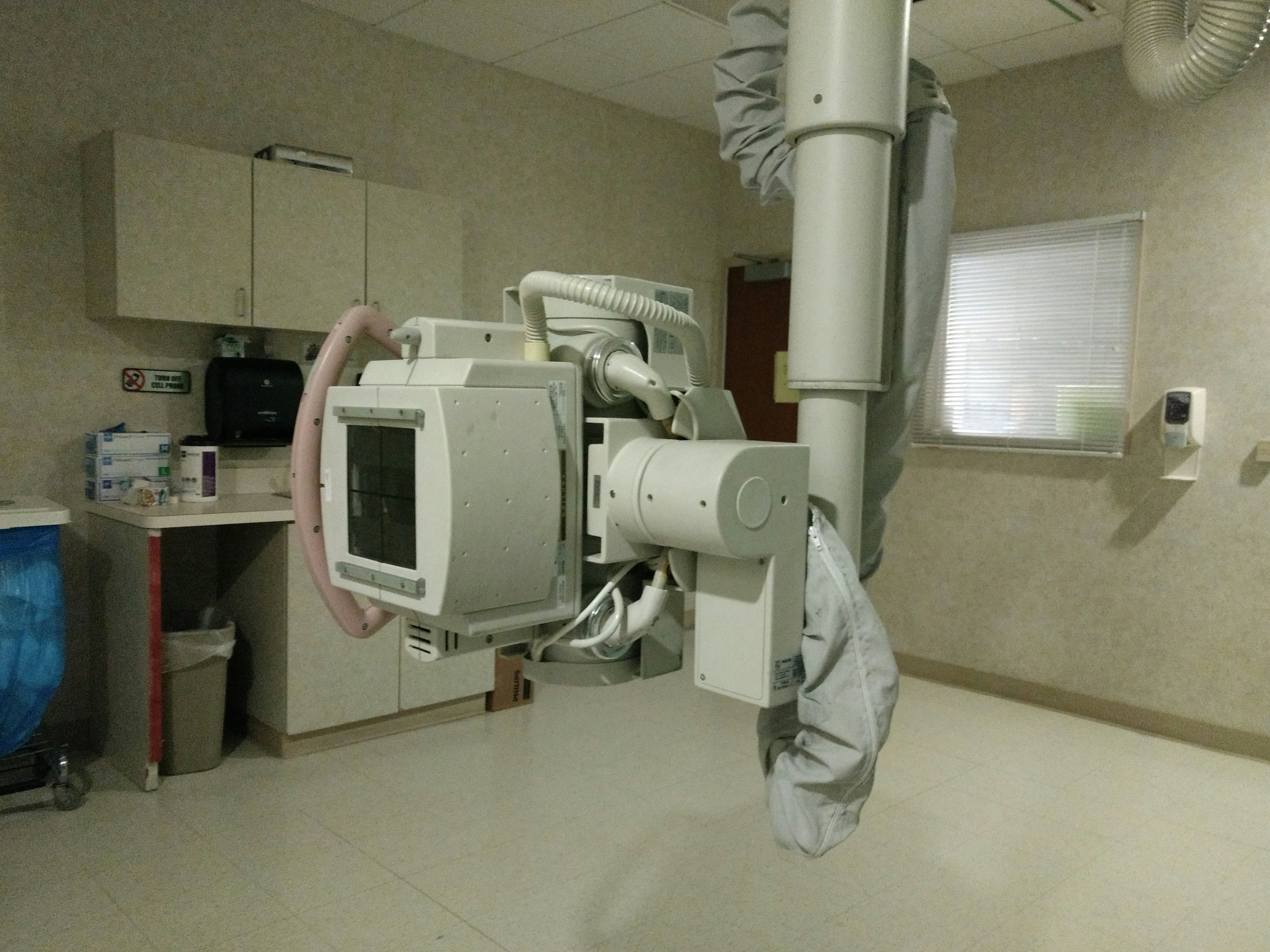
Targeting precision — sub-millimeter accuracy
Radiation that hits the tumor, not the tissue beside it.
IMRT · Stereotactic Radiosurgery · Proton Therapy
Three linear accelerators operate behind lead-lined walls here. Our physicists recalculate each treatment plan daily, accounting for the millimeter-level shift that breathing creates. Precision is not a feature — it is the physics.
- Intensity-modulated radiation therapy (IMRT) with real-time adaptive planning
- Stereotactic body radiotherapy (SBRT) for lung, liver, and spine tumors
- Proton therapy referral coordination for pediatric and skull-base cases
- MRI-guided radiation (MR-Linac) for soft-tissue tumors

Median PFS improvement over chemotherapy alone
Your immune system, trained and redirected.
Checkpoint Inhibitors · CAR-T · Bispecific Antibodies
Immunotherapy does not attack cancer — it teaches your immune cells to recognize and destroy it. We administer over 140 immunotherapy protocols, including CAR-T cell therapy for hematologic malignancies and checkpoint inhibitor combinations for solid tumors.
- PD-1/PD-L1 checkpoint inhibitor therapy for melanoma, NSCLC, bladder, and renal cancers
- CAR-T cell infusion suite with 24-hour monitoring and cytokine release management
- Tumor-infiltrating lymphocyte (TIL) therapy in clinical trial setting
- Bispecific antibody protocols for relapsed/refractory hematologic disease

Of patients matched to targeted therapy via genomic panel
The mutation driving your cancer has a name. We find it.
Comprehensive Genomic Profiling · Liquid Biopsy · Biomarker Testing
We sequence your tumor — 648 genes, RNA fusion panel, microsatellite instability status — in our on-site CLIA-certified molecular pathology lab. Results in 7–10 days. A board-certified molecular oncologist reviews every report before it reaches your chart.
- 648-gene comprehensive genomic profiling (CGP) with tumor mutational burden
- Liquid biopsy (ctDNA) for treatment monitoring and resistance detection
- HER2, EGFR, ALK, ROS1, BRAF, KRAS, and MSI/MMR status on every solid tumor
- Germline genetic counseling and hereditary cancer risk assessment on-site
Eleven specialists review your case before you begin treatment.
Our tumor board convenes weekly — sometimes urgently for complex diagnoses. Every attending brings a different lens: the surgeon sees what can be removed, the radiation oncologist sees what can be targeted, the genomicist sees what mutation is driving it. The plan that emerges belongs to all of them.
Already have a diagnosis?
Our second-opinion panel reviews your pathology, imaging, and treatment plan — typically within 5 business days.
- Complete pathology re-review by subspecialty pathologist
- Imaging reviewed by oncologic radiologist
- Genomic profiling if not yet performed
- Written report delivered to you and referring physician
Core Tumor Board Members

Dr. Margaret Chen
Chief of Medical Oncology
Breast & GI Oncology
Dr. James Okonkwo
Director of Radiation Oncology
Thoracic & CNS Tumors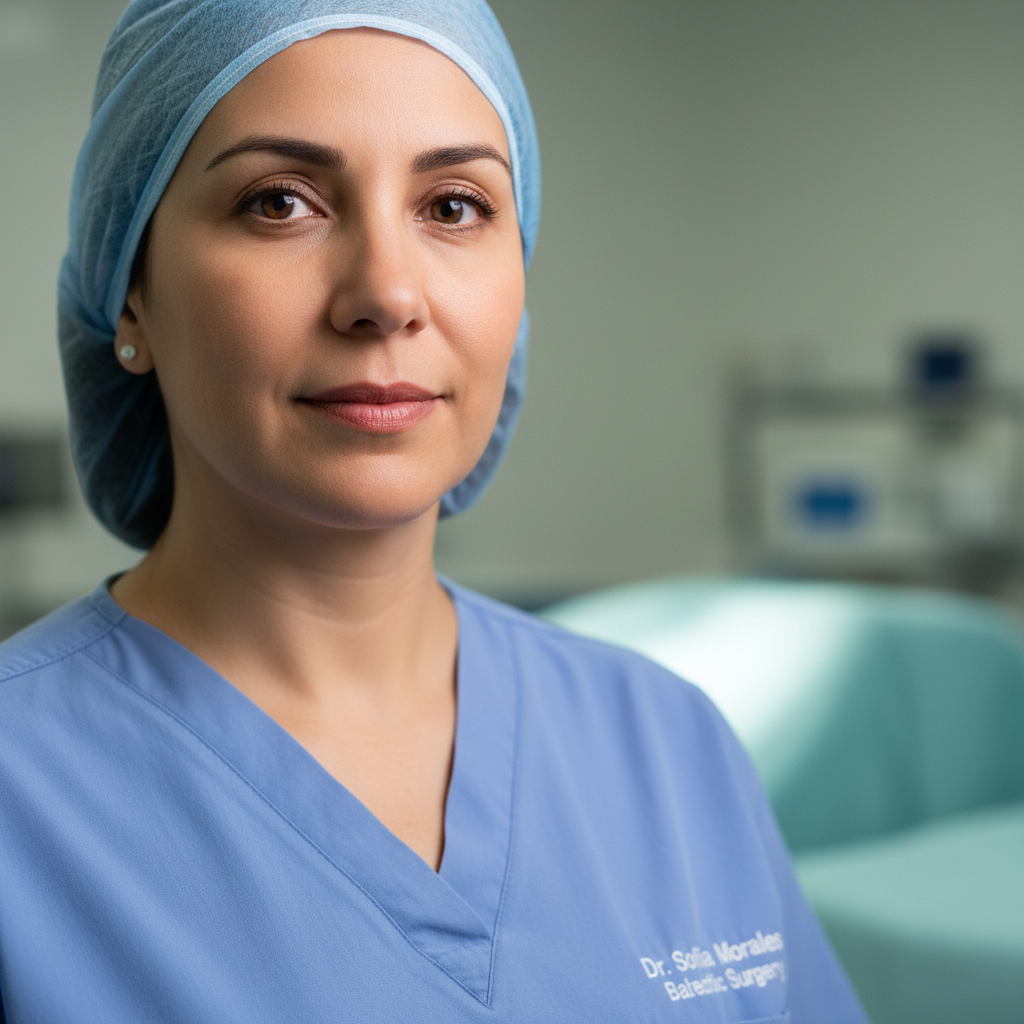
Dr. Priya Nair
Surgical Oncology Chief
Hepatobiliary & Pancreatic
Dr. Robert Vasquez
Molecular Oncology Director
Genomics & Targeted TherapyThe treatment that cures the next patient may be available to you today.
Clinical trials are not a last resort — they are often the most advanced option available. Our dedicated trials team matches every eligible patient to open studies at the time of diagnosis, not after standard options are exhausted.
Ask About Trial EligibilityActive Trials
Phase I Studies
Patients Enrolled (2025)
Sponsor Partnerships